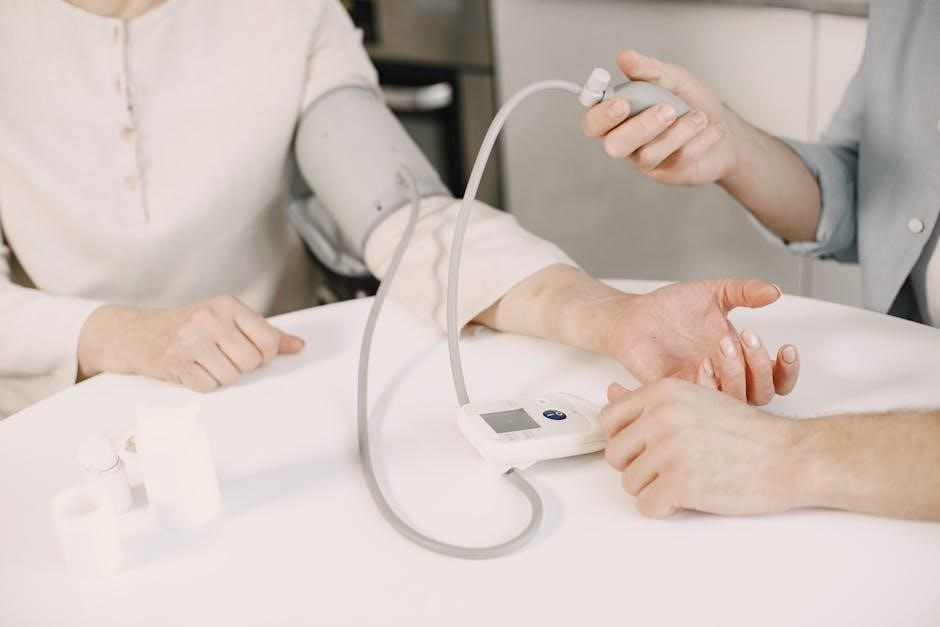
Understanding NHS Blood Pressure Recording Charts
NHS blood pressure charts, often available as PDF printables, are crucial tools for monitoring cardiovascular health․
Regular tracking aids early detection and effective management of hypertension or hypotension, supporting proactive healthcare․
What is Blood Pressure?
Blood pressure represents the force of blood pushing against artery walls․ It’s vital for circulating blood, delivering oxygen and nutrients throughout the body․ Measured in millimeters of mercury (mmHg), it consists of two numbers: systolic and diastolic․ Understanding these readings, often recorded on a printable NHS chart, is key to assessing cardiovascular health․
Systolic pressure, the higher number, reflects the pressure when the heart beats․ Diastolic, the lower number, indicates pressure when the heart rests between beats․ Consistent monitoring, using a downloadable NHS blood pressure chart, helps identify trends and potential issues․ Maintaining healthy blood pressure reduces the risk of heart disease, stroke, and kidney problems․ Regular checks, documented on a PDF NHS chart, empower individuals to proactively manage their wellbeing․
Systolic vs․ Diastolic Readings
Systolic pressure, the top number on a printable NHS blood pressure chart, measures the force when your heart contracts, pushing blood out․ Diastolic pressure, the bottom number, reflects the force in your arteries when your heart relaxes between beats․ Both are crucial indicators of cardiovascular health․
Elevated systolic pressure often indicates stiffening of arteries with age, while high diastolic pressure suggests increased resistance in the arteries․ Accurately recording both on a PDF NHS chart provides a comprehensive picture․ Understanding the difference allows for targeted interventions․ A downloadable NHS chart facilitates tracking these values over time, revealing patterns․ Monitoring both systolic and diastolic readings, using a consistent method and printable NHS format, is essential for effective blood pressure management․
Why Regular Blood Pressure Monitoring is Important
Consistent blood pressure monitoring, utilizing a printable NHS chart, is vital for proactive health management․ Undetected hypertension significantly increases the risk of heart disease, stroke, kidney failure, and other serious conditions․ Regular tracking with a downloadable PDF chart allows for early identification of changes, enabling timely intervention․
Monitoring isn’t just for those with existing conditions; it establishes a baseline for healthy individuals․ Using an NHS blood pressure recording chart empowers individuals to take control of their health․ Sharing these records with a GP facilitates informed decisions about lifestyle adjustments or medication․ A printable NHS format ensures easy record-keeping and facilitates trend analysis, promoting long-term cardiovascular wellbeing and preventing complications․

Types of NHS Blood Pressure Charts
NHS charts range from traditional paper-based PDFs for manual recording to digital versions integrated with apps․ Printable charts offer simplicity and accessibility for home monitoring․
Manual Blood Pressure Charts
Traditional NHS blood pressure charts, frequently found as downloadable PDF documents, provide a straightforward method for tracking readings over time․ These charts typically feature columns for date, time, systolic pressure, diastolic pressure, and pulse rate, alongside a dedicated notes section for any relevant observations or contextual information․
The benefit of manual charts lies in their simplicity and accessibility – no digital devices or technical skills are required․ They are particularly useful for individuals who prefer a tangible record or lack consistent access to technology․ Printable PDFs allow for easy replication and distribution, ensuring a readily available tool for consistent monitoring․ However, manual entry necessitates careful attention to detail to avoid errors and relies on consistent adherence to proper measurement techniques for accurate data collection․
Digital Blood Pressure Charts & Apps
Complementing traditional PDF printable NHS charts, a growing number of digital blood pressure charts and mobile applications offer enhanced features for monitoring and analysis․ These tools often seamlessly integrate with Bluetooth-enabled blood pressure monitors, automatically logging readings and eliminating manual entry errors․
Digital platforms frequently provide graphical representations of blood pressure trends, facilitating easier identification of patterns and potential concerns․ Many apps also offer personalized insights, medication reminders, and the ability to securely share data with healthcare professionals․ While requiring smartphone or tablet access, these digital solutions promote convenience and proactive health management, offering a modern alternative to paper-based tracking, though data security and privacy should always be considered․
Home Monitoring vs․ Clinical Monitoring
Utilizing a PDF printable NHS blood pressure chart for home monitoring empowers individuals to actively participate in their healthcare․ Regular home readings, when accurately recorded, provide a more comprehensive picture of blood pressure fluctuations than isolated clinical measurements․ However, clinical monitoring conducted by healthcare professionals remains vital for initial diagnosis and calibration of home monitoring techniques․
Clinical settings employ standardized procedures and calibrated equipment, ensuring accuracy․ Home readings can be influenced by factors like stress or improper technique, necessitating careful adherence to guidelines․ Combining both approaches – consistent home tracking with periodic clinical check-ups – offers the most effective strategy for managing blood pressure and achieving optimal cardiovascular health, ensuring a holistic and informed approach to care․

Components of a Typical NHS Blood Pressure Chart
A standard PDF printable NHS chart includes fields for date, time, systolic/diastolic readings, pulse rate, and crucial notes for observations or relevant contextual information․
Date and Time of Measurement
Accurate recording of the date and time is fundamental when utilizing a PDF printable NHS blood pressure chart․ This seemingly simple detail provides essential context for tracking trends and identifying patterns in blood pressure fluctuations․ Consistent monitoring at similar times each day minimizes variables and offers a more reliable dataset for both individuals and healthcare professionals․
The date allows for longitudinal analysis, revealing how blood pressure responds to lifestyle changes, medication adjustments, or external factors․ Precise time stamps help correlate readings with specific activities, meals, or stress levels; A well-maintained chart, with meticulous date and time entries, becomes a valuable historical record, facilitating informed clinical decisions and personalized care plans․ Without this crucial information, the chart’s effectiveness is significantly diminished․
Systolic Blood Pressure Recording Field

The systolic blood pressure recording field on a PDF printable NHS chart captures the maximum arterial pressure during heart contraction․ This is the higher number in a blood pressure reading, representing the force exerted when the heart beats․ Accurate recording is vital, typically displayed in millimeters of mercury (mmHg)․
Consistent and legible entry of systolic values allows for tracking changes over time․ Monitoring trends helps identify potential hypertension (high blood pressure) or hypotension (low blood pressure)․ The field’s placement on the chart is standardized for easy comparison․ Healthcare professionals rely on this data to assess cardiovascular risk and adjust treatment plans․ Proper recording, alongside diastolic and pulse rate, provides a comprehensive snapshot of circulatory health, enabling proactive management and improved patient outcomes․
Diastolic Blood Pressure Recording Field
The diastolic blood pressure recording field on a printable NHS chart documents the arterial pressure when the heart relaxes between beats․ Represented as the lower number in a reading (mmHg), it indicates resistance in the arteries․ Consistent, accurate recording is paramount for assessing overall cardiovascular health․
Tracking diastolic values reveals insights into arterial elasticity and potential risks․ Elevated diastolic pressure often signifies increased strain on the heart․ The field’s standardized location on the chart facilitates easy comparison of readings over time․ Healthcare providers utilize this data alongside systolic pressure and pulse rate to diagnose and manage hypertension․ Precise recording contributes to effective treatment plans and improved patient wellbeing, enabling proactive intervention and better long-term health outcomes․
Pulse Rate Recording Field
The pulse rate recording field on an NHS blood pressure chart captures the number of heartbeats per minute (bpm)․ This vital sign, measured alongside blood pressure, provides a comprehensive view of cardiovascular function․ Accurate documentation is essential, typically recorded immediately after obtaining the blood pressure reading․
A normal resting pulse rate generally falls between 60-100 bpm, though this can vary․ Deviations from this range can indicate underlying health conditions․ Tracking pulse rate alongside blood pressure helps identify potential issues like arrhythmia or the effects of medication․ Consistent recording allows healthcare professionals to assess the heart’s efficiency and responsiveness․ This field contributes to a holistic evaluation, supporting informed clinical decisions and personalized patient care for optimal wellbeing․
Notes Section for Observations
The notes section on a printable NHS blood pressure chart is a crucial space for documenting contextual information․ This allows for a more nuanced understanding of the readings beyond just the numbers․ Record details like the time of day, any recent physical activity, stress levels, or medication changes․
Note any unusual symptoms experienced during measurement, such as dizziness or headaches․ Include details about the arm used for measurement (left or right) and the patient’s position (sitting, standing, or lying down)․ This section facilitates a comprehensive record, aiding healthcare professionals in interpreting trends and making accurate diagnoses․ Thorough notes enhance the chart’s value, supporting effective patient management and personalized care plans․

Using an NHS Blood Pressure Recording Chart Effectively
Consistent, accurate recording using a printable NHS chart is key․ Follow measurement guidelines, note the time, and share data with your GP for optimal health monitoring․
Proper Measurement Technique
Ensuring accurate readings with your NHS blood pressure chart requires a standardized technique․ Before measurement, rest for at least five minutes in a quiet room․ Sit with your back supported, feet flat on the floor, and your arm supported at heart level․
Use a correctly sized cuff – too small yields high readings, too large, low ones․ Position the cuff on bare skin, not over clothing․ The lower edge should be about 2․5cm above the elbow bend․
During inflation, avoid talking or moving․ Record both systolic and diastolic pressures, as well as your pulse rate, directly onto your printable NHS chart․ Multiple readings are recommended, averaging them for a more reliable result․ Consistency is paramount for effective tracking․
Consistent Timing of Measurements
To gain meaningful insights from your NHS blood pressure recording chart, establish a regular measurement schedule․ Blood pressure fluctuates throughout the day, influenced by activity, stress, and medication․ Therefore, consistency is key․
Ideally, measure your blood pressure at the same time each day – for example, every morning before breakfast and medication, or every evening before dinner․

Record these times alongside your readings on your printable chart․ Avoid measuring immediately after exercise, caffeine intake, or smoking․ Maintaining a consistent routine allows you to identify trends and patterns more accurately, providing valuable information for your GP and enabling effective management of your cardiovascular health․
Understanding Blood Pressure Categories (NHS Guidelines)
Interpreting readings on your NHS blood pressure chart requires understanding NHS guidelines․ Normal blood pressure is generally considered to be less than 120/80 mmHg․ Elevated blood pressure ranges from 120-129 systolic and less than 80 diastolic․
Hypertension, or high blood pressure, is categorized into stages: Stage 1 (130-139/80-89 mmHg) and Stage 2 (140/90 mmHg or higher)․
Low blood pressure, or hypotension, is generally considered below 90/60 mmHg, but significance depends on individual symptoms․ Your printable chart helps track these categories․ Regularly reviewing these classifications with your GP is vital for personalized health management and appropriate treatment decisions․
Identifying Trends and Patterns
Consistent use of your NHS blood pressure recording chart allows for identifying crucial trends․ Don’t just focus on single readings; look for patterns over days, weeks, or months․ Is your blood pressure consistently elevated at certain times?
Does it spike after specific activities or meals? Noting these observations in the ‘Notes’ section of your chart is invaluable․
A gradual increase, even within the ‘normal’ range, can signal developing hypertension․ Conversely, persistent low readings might indicate underlying issues․ Sharing these observed trends with your GP, alongside your completed chart, provides a clearer picture of your cardiovascular health and informs effective management strategies․

Printing and Accessing NHS Blood Pressure Charts
Numerous official NHS printable charts are readily available online as PDFs․ These resources facilitate convenient home monitoring and easy sharing with healthcare professionals․
Official NHS Printable Charts
The NHS provides several downloadable blood pressure charts in PDF format, designed for convenient home monitoring․ These charts typically include sections for recording date, time, systolic and diastolic readings, pulse rate, and any relevant notes or observations․
Accessing these official charts is straightforward; a quick search on the NHS website or through reputable health portals will yield readily available options․ Utilizing official NHS resources ensures the chart aligns with current NHS guidelines and standards for blood pressure management․
These printable charts empower individuals to actively participate in their healthcare, enabling consistent tracking and informed discussions with their General Practitioner (GP)․ Regularly recorded data provides valuable insights into blood pressure trends and helps assess the effectiveness of any prescribed treatment plans․
Online Resources for Downloadable Charts
Beyond the official NHS website, numerous reputable online resources offer downloadable blood pressure charts in PDF format․ These include health-focused websites, patient support groups, and medical information portals․ However, it’s crucial to verify the source’s credibility to ensure the chart aligns with NHS standards and provides accurate tracking fields․
Websites like Blood Pressure UK often provide downloadable resources, alongside helpful information about managing hypertension․ When selecting a chart, prioritize those clearly labeled for blood pressure monitoring and include sections for date, time, systolic/diastolic readings, pulse, and notes․
Always cross-reference information with the NHS website to confirm the chart’s suitability and ensure it supports effective self-monitoring and informed communication with your healthcare provider․
Accessibility for Visually Impaired Individuals
Ensuring accessibility of NHS blood pressure recording charts for visually impaired individuals is paramount․ While standard PDF printables pose challenges, several solutions exist․ Utilizing screen readers with compatible PDF viewers allows for text-to-speech conversion of chart data, enabling independent monitoring․
Alternatively, requesting large-print versions from your GP practice is a viable option․ Some organizations offer pre-filled charts with tactile markings for easier recording․ Digital blood pressure charts and apps, often featuring voice output and adjustable font sizes, provide a more accessible alternative to paper-based formats․
The NHS is committed to inclusive healthcare, and resources are continually evolving to meet diverse needs․ Contacting accessibility helplines can provide tailored advice and support․
Interpreting Your Blood Pressure Readings
Utilizing a PDF printable NHS chart, understand readings within normal (under 120/80 mmHg), elevated, or hypertensive stages, guiding necessary lifestyle adjustments or medical consultation․
Normal Blood Pressure Ranges
When reviewing a PDF printable NHS blood pressure recording chart, understanding normal ranges is fundamental․ Generally, a healthy blood pressure reading falls below 120/80 mmHg․ The first number, systolic pressure, represents the force when your heart beats, while the diastolic (second number) indicates pressure between beats․
Optimal blood pressure is considered less than 120/80 mmHg․ Elevated blood pressure ranges from 120-129 systolic and less than 80 diastolic․ Consistent readings within this range warrant lifestyle modifications, like diet and exercise․ Regularly documenting these values on your NHS chart allows for trend identification․
It’s crucial to remember that individual targets may vary based on age, existing health conditions, and advice from your GP․ Therefore, always discuss your readings with a healthcare professional for personalized guidance and interpretation, utilizing the chart as a valuable communication tool․
High Blood Pressure (Hypertension) – Stages
Analyzing a PDF printable NHS blood pressure recording chart, recognizing hypertension stages is vital․ Stage 1 hypertension is defined as 130-139 systolic or 80-89 diastolic․ Lifestyle changes are typically recommended initially, closely monitored via regular chart entries․
Stage 2 hypertension involves readings of 140/90 mmHg or higher, often requiring medication alongside lifestyle adjustments․ Hypertensive crisis occurs at 180/120 mmHg or higher, demanding immediate medical attention․ Consistent charting helps identify escalating stages․
Accurate recording on your NHS chart allows your GP to assess severity and tailor treatment․ Remember, these are general guidelines; individual targets may differ․ Promptly share your completed chart during appointments for effective management and to prevent potential complications associated with uncontrolled hypertension․
Low Blood Pressure (Hypotension) – Considerations
When utilizing a PDF printable NHS blood pressure recording chart, consistently low readings (typically below 90/60 mmHg) indicate hypotension․ While often harmless, it can signal underlying issues․ Documenting symptoms alongside readings – dizziness, fainting, blurred vision – is crucial for accurate assessment․
Orthostatic hypotension, a sudden drop upon standing, should be noted on the chart, detailing the circumstances․ Chronic hypotension may require increased fluid and salt intake, guided by a GP․ Your completed chart provides valuable data for diagnosis․
Don’t self-treat; share your chart with your doctor․ They’ll determine if investigation is needed, ruling out dehydration, heart problems, or medication side effects․ Consistent monitoring, recorded clearly, aids effective management and prevents potential complications․

What to Do With Your Recorded Data
A completed PDF printable NHS blood pressure chart is best shared with your GP for review and informed treatment decisions․
Sharing Charts with Your GP
Regularly providing your GP with your completed PDF printable NHS blood pressure recording chart is a vital step in managing your cardiovascular health․ These charts offer a comprehensive overview of your blood pressure trends over time, far exceeding the snapshot provided by occasional clinical readings․
Your GP can analyze the data to assess the effectiveness of any prescribed medication, identify potential lifestyle adjustments, and detect early warning signs of hypertension or hypotension․ A clear, consistent record, like that offered by a printable chart, facilitates accurate diagnosis and personalized treatment plans․
Don’t hesitate to bring your chart to scheduled appointments, or consider securely sharing it electronically if your GP practice offers this service․ Proactive data sharing empowers both you and your healthcare provider to work collaboratively towards optimal health outcomes․
Tracking Progress During Treatment
Utilizing a PDF printable NHS blood pressure recording chart is exceptionally valuable when undergoing treatment for hypertension or hypotension․ Consistent monitoring allows you to visually assess how your body responds to medication, dietary changes, or increased physical activity․
The chart transforms abstract medical advice into tangible results, empowering you to actively participate in your healthcare journey․ By noting dates, times, and any relevant observations alongside your readings, you create a detailed log for review with your GP․
Identifying trends – whether blood pressure is consistently decreasing, remaining stable, or fluctuating – provides crucial insights into treatment effectiveness․ This data-driven approach facilitates informed discussions with your doctor, leading to optimized care and improved health outcomes․
Recognizing When to Seek Immediate Medical Attention
While a PDF printable NHS blood pressure recording chart aids routine monitoring, certain readings demand immediate medical attention․ Consistently high systolic readings (180mmHg or above) or diastolic readings (120mmHg or above), especially if accompanied by symptoms, require urgent care․
These symptoms include severe headaches, nosebleeds, shortness of breath, vision changes, chest pain, or numbness/weakness․ Similarly, a sudden, significant drop in blood pressure, causing dizziness, confusion, or fainting, warrants immediate evaluation․
Do not rely solely on the chart; trust your instincts․ If you feel acutely unwell alongside abnormal readings, seek emergency medical help․ The chart serves as a valuable tool, but it’s not a substitute for professional medical judgment in critical situations․