Common Causes of Shower Drain Clogs
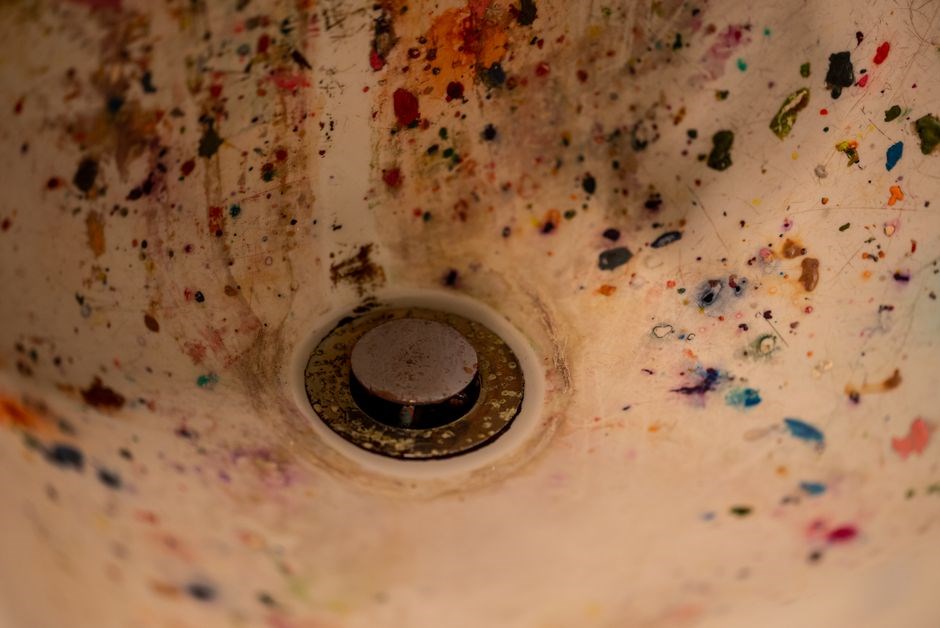
Hair strands, soap scum, and mineral deposits are the most frequent culprits, clogging the drain as they accumulate over time. Small objects like cotton swabs, toothbrushes, or loose tiles can also get trapped, blocking water flow.Tiny plastic beads from shampoo bottles also accumulate quickly
Hair and Soap Scum Accumulation
In most households, the primary source of a clogged shower drain is the relentless buildup of hair, combined with greasy, mineral‑laden residue left behind by soaps and shampoos. When hair strands are washed down the drain, they intertwine with soap scum, forming a dense, fibrous mass that adheres to the inner walls of the pipe.
To prevent this, many experts recommend a simple nightly ritual: after each shower, use a small, fine‑mesh strainer or a dedicated hair catcher before they enter the drain. Additionally, rinsing the drain with hot water for a minute or two can help loosen any soap film, allowing it to be swept away. Some homeowners also use a mild, non‑acidic cleaning solution—such as a diluted vinegar and baking soda mixture—to dissolve the buildup without damaging the pipes. A small, flexible brush can also help dislodge stubborn clogs, and a manual hand‑held vacuum can remove loosened hair. Regularly rinsing the drain with a mixture of hot water and a tablespoon of salt can also help break down mineral deposits.
Regular maintenance not only keeps the drain clear but also extends the life of the plumbing system. Ignoring hair and soap scum buildup can lead to more severe blockages that require chemical cleaners or professional intervention, which are costly and harmful. Use a silicone drain cover to prevent hair from enteringplease.
Essential Tools and Materials
Key items for a DIY drain clean‑up include a sturdy plunger, a flexible drain snake, a small bucket, rubber gloves, a flashlight, and a hair‑catcher screen. Keep a bottle of baking soda and vinegar handy for a natural flush, and a silicone drain cover to keep future clogs at bay. Keep tools in box.
Recommended Drain Snake and Plumber’s Auger
When tackling stubborn shower drain blockages, a high‑quality drain snake and a plumber’s auger are indispensable tools. The snake should feature a flexible, stainless‑steel cable with a coiled tip that can navigate bends without damaging pipes. A length of 24 to 36 inches balances reach and control, while a rubber‑coated handle provides a secure grip even when wet. For deeper clogs, a 48‑inch auger with a 1‑inch diameter shaft can break through tougher obstructions, such as mineral buildup or root intrusion. Both tools should include a detachable head that can be swapped for a 1‑inch or 1½‑inch opening, matching the drain’s size. When using the snake, feed it slowly, turning the handle clockwise to engage the clog, then reverse to pull debris out. After removal, flush the drain with hot water to clear any remaining particles. Always wear gloves and eye protection, and keep a small bucket nearby to catch any dislodged debris. Proper maintenance of the snake—cleaning the cable after each use and inspecting for kinks—ensures longevity and reliable performance for future drain maintenance tasks.
Use a 1‑inch or 1½‑inch adapter to fit the snake into the drain opening, ensuring a tight seal. After clearing, run a 5‑minute cycle of hot water to flush out residual debris. Inspect the drain for leaks, and if any water seeps through, replace the gasket or sealant. Reapply a silicone strip for added protection.
Seal the drain with silicone strip for durability now.
Manual Drain Clearing Techniques
Start by removing the drain cover, then use a long, flexible brush or a homemade wire hanger to dislodge hair and debris. Gently push the brush into the pipe, turning it to break up clogs. After clearing, flush with hot water to ensure smooth flowStay dry.!
Using a Plunger with a Circular Drain Cover
When a shower drain is blocked, a standard flat‑bottom plunger often fails because the circular cover creates a seal that a flat plunger cannot achieve. The solution is to use a rubber suction cup plunger specifically designed for round drains. Begin by removing the cover and clearing any visible debris. Place the suction cup over the drain opening, ensuring a tight seal; Apply steady, rhythmic pressure, pushing down and pulling up in a controlled motion. The suction forces water and trapped particles outward, loosening the clog. Repeat the cycle 10–15 times or until water flows freely. If the clog persists, insert a flexible drain snake through the cover after the initial plunger attempt to break up remaining obstructions. Finally, flush the pipe with hot water to clear any loosened material. This method is safe, chemical‑free, and effective for most residential shower drains.
To maximize effectiveness, ensure the plunger’s rubber cup is fully inflated and free of tears. When placing the cup over the drain, press firmly to eliminate any air gaps. Perform a series of 8–10 forceful strokes, alternating between pushing and pulling, to create pressure waves that dislodge clogs. If resistance persists, insert a flexible metal probe through the cover to manually break up the blockage before re‑attempting the plunger. After clearing, rinse the drain with a kettle of boiling water to remove residual debris and maintain a smooth flow. keep it clean.
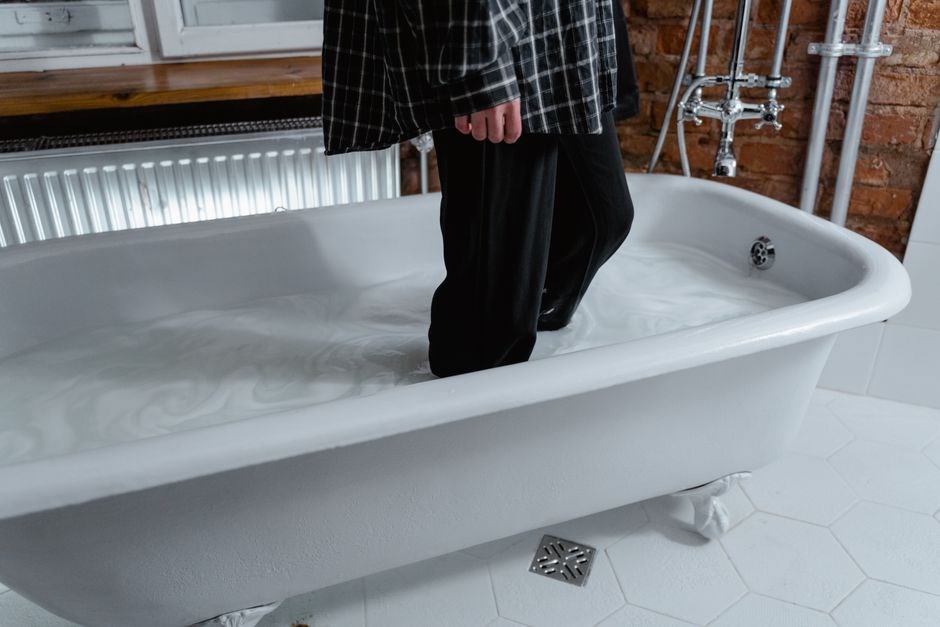
Safe Use of Chemical Drain Cleaners
Use a non‑acidic, biodegradable cleaner. Pour the recommended amount, cover the drain, and let sit 15–30 min. Flush with water to clear debris. Wear gloves, ventilate, and never mix chemicals. If clog persists, stop and call a professional. Always rinse the drain afterward for smooth flow.
Use it!
Selecting Non-Acidic, Environmentally Friendly Cleaners
Choosing a chemical drain cleaner that is non‑acidic and biodegradable is essential for effective clog removal and environmental stewardship. Look for products labeled “phosphate‑free,” “non‑corrosive,” or “plant‑based,” which use mild surfactants and enzymes to break down hair, soap scum, and organic buildup without damaging pipes or harming wildlife. Avoid sodium hydroxide or sulfuric acid solutions that can corrode metal fittings, degrade rubber gaskets, and release toxic fumes. When selecting a cleaner, read the ingredient list for harmful additives such as phosphates, which contribute to eutrophication in waterways, or heavy metals that accumulate in the soil. Opt for brands that provide clear safety data, use recyclable packaging, and have third‑party certifications like Green Seal or EcoLabel. For routine maintenance, a gentle, enzyme‑based cleaner can be applied weekly or bi‑weekly to keep the drain clear without aggressive chemicals. Always follow the manufacturer’s instructions: pour the recommended volume, cover the drain, and allow the solution to work for the specified time before flushing with hot water. If the clog persists, consider mechanical methods or professional help rather than repeatedly applying stronger chemicals, which can lead to pipe damage and environmental contamination. By prioritizing non‑acidic, eco‑friendly products, you protect plumbing, reduce chemical exposure at home, and contribute to a healthier ecosystem. Use the cleaner at the recommended temperature and always wear gloves for safety and goggles.

Eco-Friendly Homemade Drain Regimens
Use a 1:1 mix of baking soda and vinegar, pour slowly, let fizz for 15 minutes, then flush with hot water. Repeat weekly to dissolve hair, soap scum, and mineral buildup. Finish with a cup of boiling water to clear residue and keep drains flowing daily.!
Vinegar and Baking Soda Flush Routine

Begin by removing any visible hair or debris from the drain cover. Next, pour ½ cup of baking soda directly into the drain, ensuring it covers the entire opening. Follow immediately with ½ cup of white vinegar; the mixture will fizz vigorously, breaking down soap scum and mineral deposits. Let the reaction sit for 15–20 minutes, allowing the enzymes to work. After the fizz subsides, pour a kettle of boiling water down the drain to flush out loosened particles. Repeat this routine once a week during the dry season and twice a month during the wet season to maintain optimal flow; For stubborn clogs, add a second ½ cup of baking soda before the vinegar, or use a commercial enzyme cleaner as a supplementary step. Always wear gloves and eye protection when handling hot water or chemicals. This eco‑friendly method eliminates the need for harsh acids, preserves plumbing integrity, and keeps your shower drain clear and odor‑free. If the drain still feels sluggish, repeat the baking soda and vinegar cycle twice more before the hot water flush. For extra thoroughness, insert a bent wire hanger to gently dislodge any remaining debris, taking care not to damage the pipe. After cleaning, run a full shower to ensure water drains freely. Store all cleaning supplies in a sealed container to prevent accidental spills, and keep the drain cover clean to avoid future buildup. By following this simple, eco‑friendly routine, you maintain a hygienic and odor‑free shower environment for years to come. Enjoynow a cleaner shower.
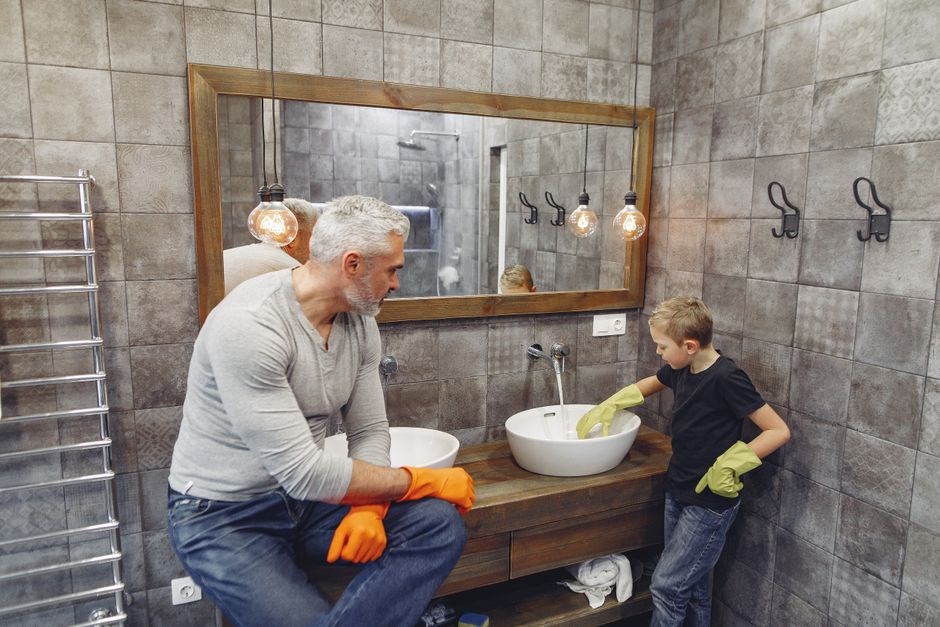
Enzyme-Based Drain Maintenance
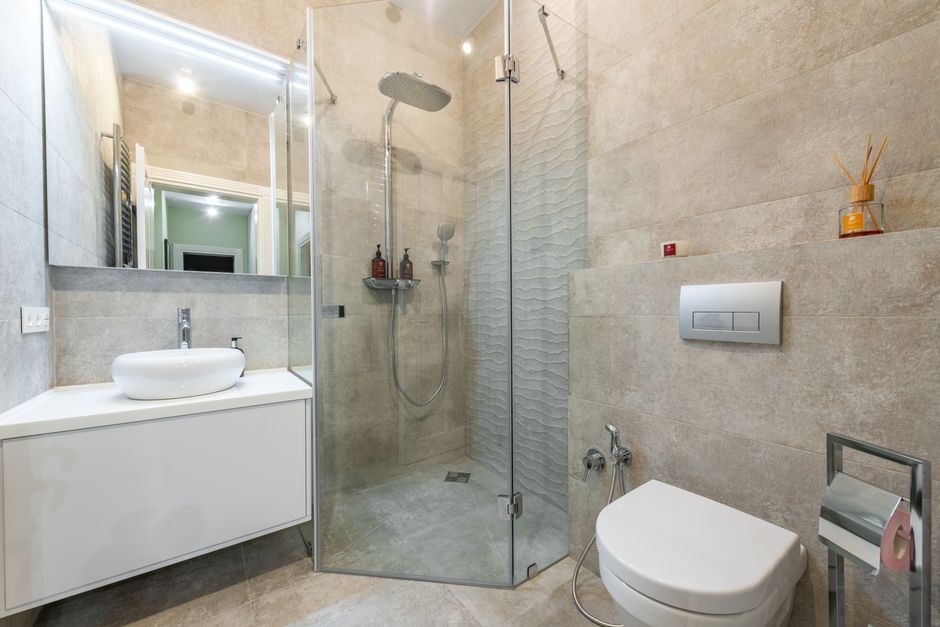
Biodegradable enzyme sprays target organic buildup, breaking down hair, soap, and grease. Apply once a month, letting the solution sit overnight. Follow with hot water to flush residues. This eco‑friendly method keeps drains clear without harsh chemicals.
Applying Biodegradable Enzyme Sprays for Long-Term Prevention
Enzyme‑based cleaners are engineered to digest organic matter that accumulates in shower drains. The active microbes break down hair, soap residue, and other biodegradable debris, turning them into harmless by‑products that can be flushed away with water. Because the reaction is biological, the solution is safe for PVC, cast‑iron, and stainless‑steel pipes, and it does not corrode fittings or damage septic systems.
For effective long‑term maintenance, follow these steps:
- Choose a reputable brand that lists the main enzymes (protease, lipase, amylase) on its label. Look for a product tested for 12‑month efficacy.
- Apply monthly during the first week of each month. Pour the recommended volume (usually 1–2 oz) directly into the drain during the shower.
- Let it sit for at least 6 hours overnight. The enzymes need time to work on the accumulated material.
- Flush with hot water after the waiting period. Run the shower at full pressure for 5–10 minutes to rinse pipe walls and carry away debris.
- Record usage in a maintenance log. If you notice a sudden slowdown in drainage, double‑check the dosage or consider a professional inspection.
By integrating enzyme sprays into a routine schedule, homeowners can reduce the need for mechanical snaking or harsh chemicals, preserving plumbing integrity and extending the lifespan of the drainage system daily maintenance on.
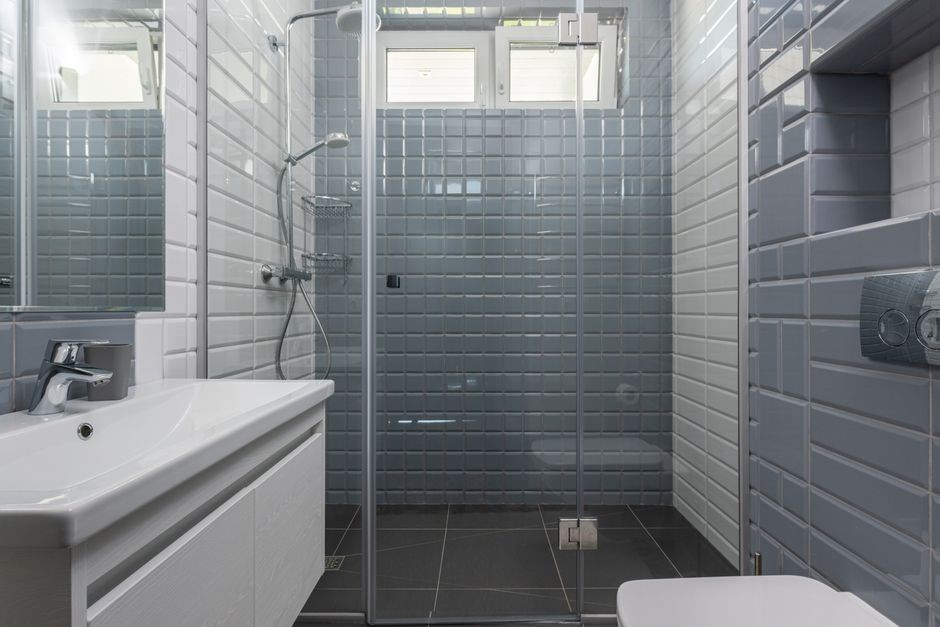
When to Call a Professional Drain Specialist
Persistent slow drainage, gurgling sounds, or water backing up into the shower indicates a deep blockage. If DIY methods fail or the pipe shows visible damage, a licensed plumber should inspect for root intrusion or pipe corrosion. Professional tools and expertise ensure safe, lasting repair. Help!
Signs of Persistent Blockage or Water Backflow
When a shower drain remains sluggish despite repeated plunging or snake use, it’s a red flag. Noticeable symptoms include:
- Water takes minutes to drain, leaving a puddle on the floor.
- Gurgling or hissing sounds emanate from the drain or vent pipes.
- A sour or stagnant odor rises from the drain opening.
- Water visibly backs up into the shower basin, sometimes splashing onto the walls.
- The drain emits a faint, metallic taste or discoloration in the water.
- Repeated use of chemical cleaners fails to clear the blockage.
These indicators suggest a deep or multiple-layer clog that standard DIY tools cannot reach. Persistent backflow can also point to a main sewer line obstruction or venting problem, which requires professional inspection and repair. Ignoring these signs may lead to pipe damage, mold growth, or costly water damage.
Additional signs include a faint discoloration of the drain cover, persistent dampness on the shower walls, and occasional splashes that seem to come from the drain rather than the shower head. If the water level rises above the drain opening during a shower, it indicates that the main line is severely clogged or the vent system is blocked, preventing proper air pressure. In such cases, the water cannot escape efficiently, leading to backflow and potential damage to the plumbing system. These symptoms warrant immediate attention to prevent costly repairs.